
Granite vs Quartz Countertops – What’s Best for Your Kitchen?
If you’re planning a kitchen remodel, one of the biggest decisions you’ll make is what type of countertop to install. Two of the most popular options are
granite
and
quartz
—both offer stunning style and long-term durability, but they come with key differences that matter depending on your lifestyle, budget, and design goals.
At Flourish Tile and Cabinets in Acton, MA, we help homeowners choose the right materials for their kitchens every day. In this post, we’ll break down the pros and cons of granite vs quartz countertops , and help you determine which option is best for your home.
Both are considered premium countertop materials and are commonly used in kitchens and bathrooms.
Quartz , on the other hand, offers more consistent color and pattern since it’s manufactured.
Winner: Quartz for uniformity, granite for natural variation.
Quartz:
Winner: Quartz, especially for busy kitchens with kids or frequent use.
Quartz countertops are low-maintenance :
Winner: Quartz is easier to care for long-term.
Some exotic granite slabs can be more expensive than standard quartz. However, quartz often comes with more predictable pricing since patterns are consistent.
Winner: Granite may offer lower entry-level costs, but quartz pricing is often more stable.
Quartz is engineered from abundant natural materials and can be more eco-friendly when produced locally.
Some quartz manufacturers (like Cambria) also use recycled materials and eco-conscious production processes.
Winner: Quartz tends to have a smaller environmental footprint.
At Flourish Tile and Cabinets in Acton, MA, we help homeowners choose the right materials for their kitchens every day. In this post, we’ll break down the pros and cons of granite vs quartz countertops , and help you determine which option is best for your home.
What Are Granite and Quartz Countertops?
Let’s start with the basics.Granite:
- A natural stone quarried from the earth
- Cut into slabs and polished for countertop use
- Unique patterns and veining in every piece
- Requires periodic sealing for protection
Quartz:
- An engineered stone made from crushed quartz mixed with resin
- Offers consistent colors and patterns
- Non-porous and does not require sealing
- Often mimics the look of natural stone
Both are considered premium countertop materials and are commonly used in kitchens and bathrooms.
Granite vs Quartz – Key Differences to Know
1. Appearance and Style
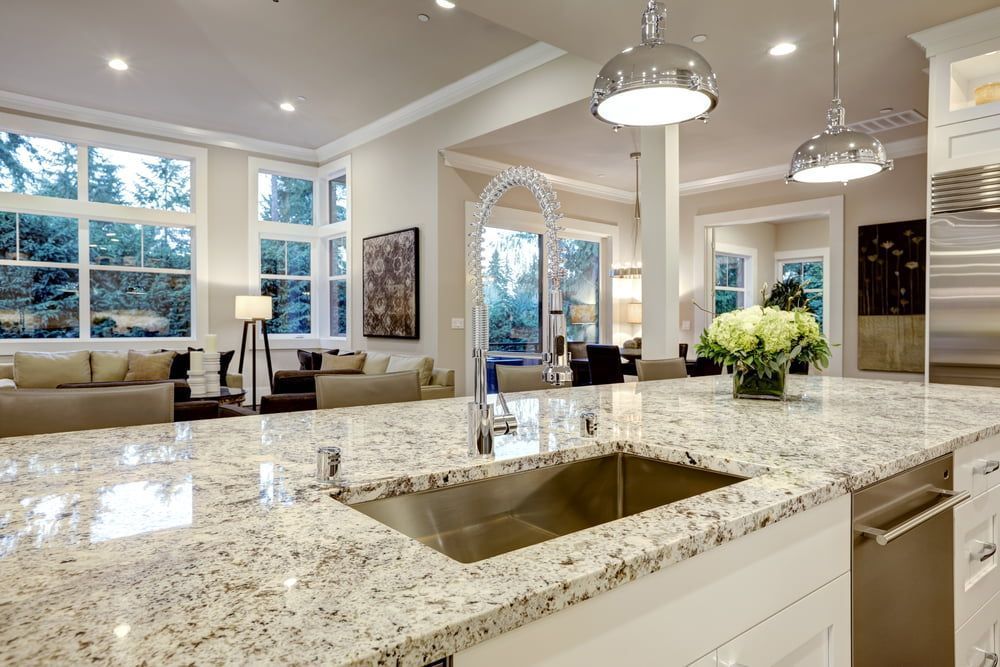
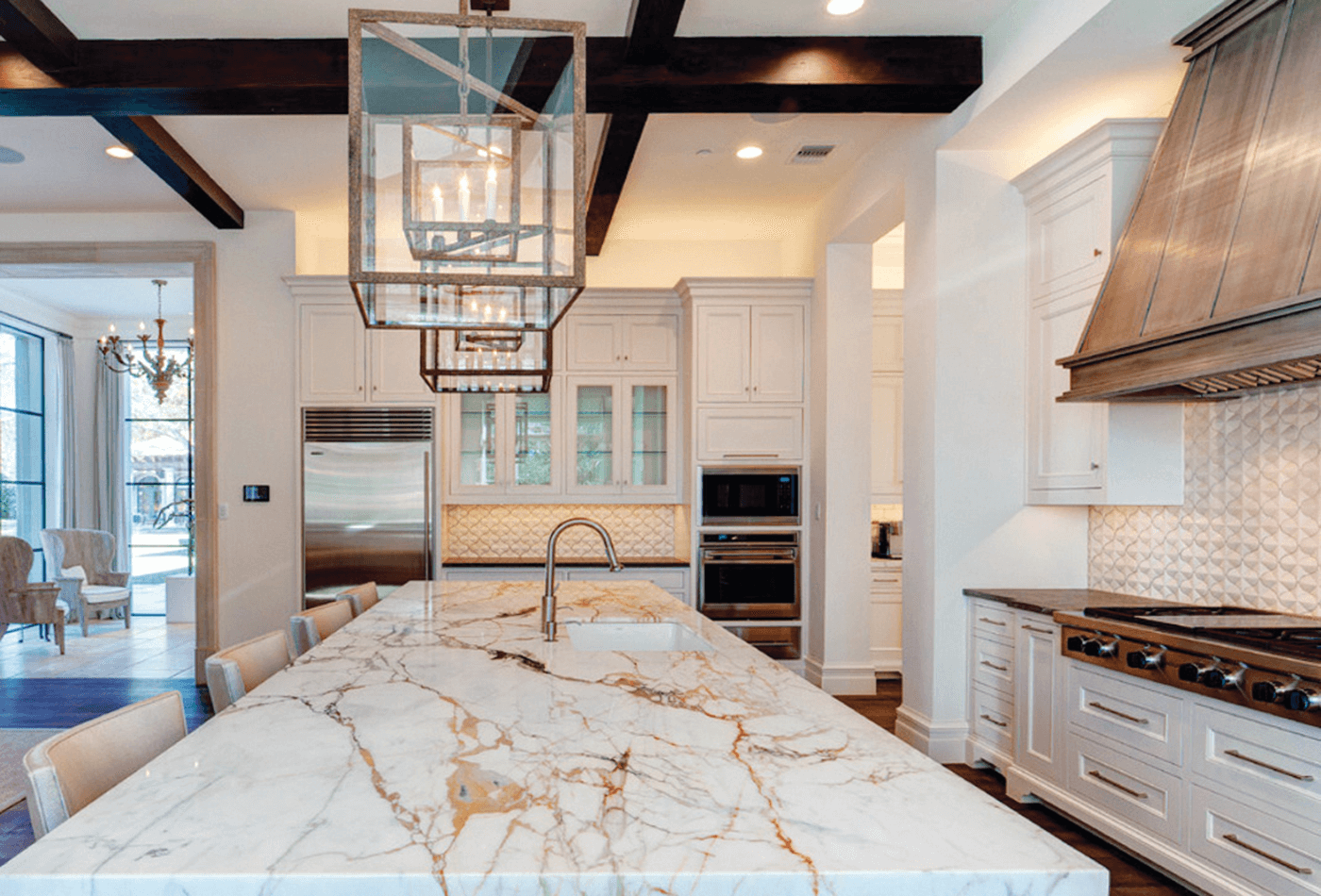
Granite is known for its natural, one-of-a-kind beauty. Each slab features unique veining, specks, and swirls, which can add depth and interest to your kitchen.- Best for homeowners who want a truly unique look
- Available in earthy tones, blacks, blues, greens, and whites
- Can vary significantly from one slab to another
Quartz , on the other hand, offers more consistent color and pattern since it’s manufactured.
- Ideal for modern or minimalist designs
- Available in solid colors, marbled styles, and matte finishes
- Easier to match across multiple slabs
Winner: Quartz for uniformity, granite for natural variation.
2. Durability
Both granite and quartz are extremely durable, but there are some differences. Granite:- Heat-resistant and strong
- Can chip if hit hard
- Porous—may stain if not sealed properly
Quartz:
- Also heat- and scratch-resistant
- Non-porous, so it won’t absorb liquids or bacteria
- Slightly more flexible, which reduces chances of cracking
Winner: Quartz, especially for busy kitchens with kids or frequent use.
3. Maintenance
Granite countertops require regular maintenance:- Must be sealed every 1–2 years
- Can absorb oils or wine if not sealed
- Cleaning with pH-balanced cleaners is recommended
Quartz countertops are low-maintenance :
- No sealing required
- Easy to clean with mild soap and water
- Resistant to most household stains
Winner: Quartz is easier to care for long-term.
4. Cost
Cost depends on color, thickness, edge profiles, and installation complexity.- Granite: $60–$100+ per square foot (installed)
- Quartz: $70–$120+ per square foot (installed)
Some exotic granite slabs can be more expensive than standard quartz. However, quartz often comes with more predictable pricing since patterns are consistent.
Winner: Granite may offer lower entry-level costs, but quartz pricing is often more stable.
5. Environmental Impact
Granite is mined from quarries and must be transported, sometimes from other countries.Quartz is engineered from abundant natural materials and can be more eco-friendly when produced locally.
Some quartz manufacturers (like Cambria) also use recycled materials and eco-conscious production processes.
Winner: Quartz tends to have a smaller environmental footprint.
Summary Comparison Table
Local Insight – What Acton Homeowners Prefer
In our Acton showroom, we’ve noticed a few local preferences:- Homeowners who prefer classic New England charm often lean toward granite in neutral tones like white, gray, or tan.
- Those going for a modern or transitional kitchen typically choose quartz for its clean look and ease of maintenance.
- Busy families tend to favor quartz for its stain resistance and low upkeep.
Both materials are on display at our showroom at 583 Massachusetts Avenue, Acton , where you can see full slabs and get hands-on design advice.
FAQs – Choosing Granite or Quartz
Q1: Is quartz better than granite?
Not necessarily—each has its advantages. Quartz is better for low maintenance and uniform appearance. Granite wins in natural beauty and heat resistance.Q2: Can I place hot pans directly on quartz or granite?
Granite can withstand higher heat, but it’s still smart to use trivets. Quartz is heat-resistant but may discolor with extreme heat.Q3: Is granite outdated?
Not at all. Granite is still widely used and loved for its natural character. Many new granite colors and finishes remain popular in 2025.Q4: How do I choose the right countertop for my kitchen?
Visit a local showroom like ours to view slabs, talk to designers, and compare quartz vs granite based on your kitchen style, budget, and lifestyle needs.Get Expert Help Choosing Your Countertops in Acton
Choosing between granite and quartz can feel overwhelming—but it doesn’t have to be. At Flourish Tile and Cabinets , we guide you through every decision with:- Hands-on help selecting the right material and finish
- Full-service design consultation and layout planning
- Seamless installation from trusted local professionals
Visit Our Acton Showroom: 583 Massachusetts Avenue, Acton, MA Call for a Consultation: (978) 621-7331
Email: irinaelsin@yahoo.com
[Schedule a Free Design Appointment – https://www.flourishtileandcabinets.com ] Let’s find the perfect countertop for your kitchen remodel—one that’s as functional as it is beautiful.