
Selecting Patterns and Textures That Work
Tile Design and Materials in Acton for kitchens and baths where color, pattern, and finish must complement existing cabinetry
Flourish Tile and Cabinets guides homeowners in Acton and the greater Boston area through tile design and material selection for projects where the right combination of color, texture, and layout makes the difference between a cohesive space and a disjointed one. You may be replacing a dated backsplash, updating a bathroom floor, or selecting shower wall tile that coordinates with your vanity and fixtures. Our showroom offers ceramic, porcelain, mosaic, glass, and natural stone tile options, each with different performance characteristics, visual weight, and installation requirements. We help you narrow choices based on where the tile will be installed, how much traffic or moisture it will encounter, and what design direction you are moving toward.
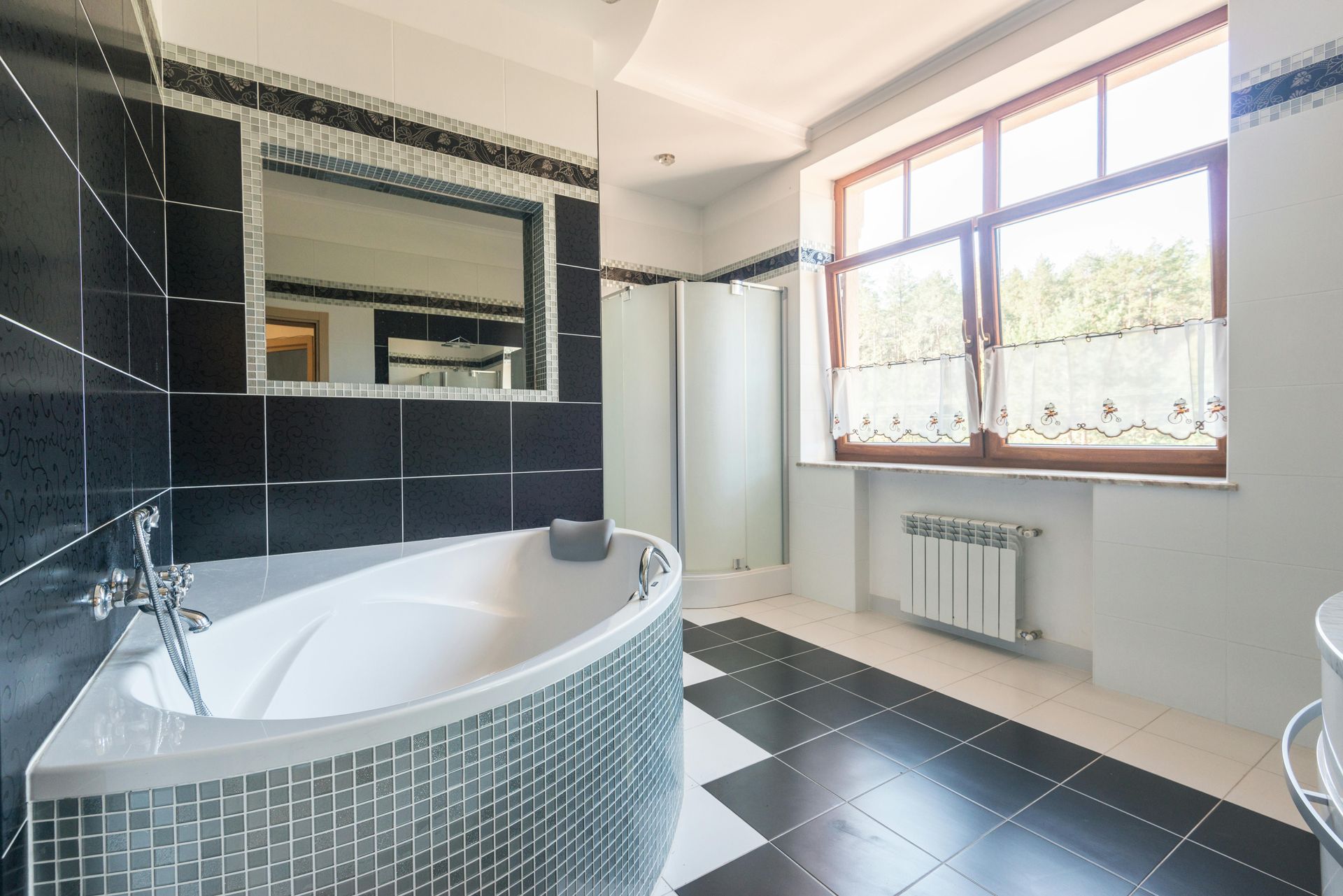
Ceramic and porcelain tiles are available in a wide range of colors, sizes, and finishes, from matte to high gloss, and they resist moisture and staining when properly installed and sealed. Mosaic tiles, typically sold on mesh-backed sheets, create intricate patterns and work well for accent walls, shower niches, and backsplashes where smaller scale adds detail. Glass tiles reflect light and add brightness to darker spaces, though they require careful grouting to avoid visible thinset behind translucent surfaces. Natural stone tiles, including marble, travertine, and slate, bring texture and variation but need sealing to resist staining and moisture penetration.
If you are planning a kitchen or bathroom project and need help selecting tile that fits your layout and style, contact Flourish Tile and Cabinets to review samples and discuss material performance.
How Tile Selection Affects Installation and Maintenance
The tile you choose determines how it is installed, how it wears over time, and what upkeep it requires. Porcelain is denser and more water-resistant than ceramic, making it better suited for floors and outdoor applications. Matte finishes hide water spots and soap scum better than glossy tiles, which show every drip but are easier to wipe clean. Large-format tiles reduce grout lines, creating a more continuous visual surface, but they require a flatter substrate and more precise layout to avoid lippage.
After installation, you will notice that the tile pattern either draws the eye toward a focal point, like a range or vanity, or creates a neutral backdrop that lets other design elements stand out. Flourish Tile and Cabinets works with you to determine grout color, which can either blend with the tile for a seamless look or contrast to highlight the grid. Natural stone tiles will show variation in color and veining, even within the same box, so layout planning includes dry-fitting to ensure a balanced distribution of lighter and darker pieces.
Some tiles are rated for specific uses, such as floor versus wall, and using wall tile on a floor can lead to cracking under foot traffic. Slip resistance matters for bathroom floors and shower pans, where textured or smaller tiles provide better traction than large, smooth surfaces. We do not provide design renderings or 3D layouts, but we do help you visualize how tile choices will look in your space based on lighting, cabinet color, and room size.
Questions About Tile Materials and Design Choices
Homeowners often ask about tile durability, pattern layout, and how to match tile selections with countertops and cabinetry.
What is the difference between ceramic and porcelain tile?
Porcelain is fired at a higher temperature and is denser and less porous than ceramic, making it more suitable for floors and areas exposed to moisture, while ceramic works well for walls and backsplashes.
How do I choose grout color?
You match grout to the tile for a uniform look, or contrast it to emphasize the tile pattern, keeping in mind that lighter grout shows staining more readily in high-traffic or food-prep areas.
Why do some tiles require sealing and others do not?
Natural stone tiles are porous and absorb liquids, so they need sealing to resist staining, while glazed ceramic and porcelain tiles have a sealed surface that does not require additional treatment.
When should I use mosaic tile instead of larger tiles?
You use mosaic tile where detail or curved surfaces are involved, such as shower floors, niches, or accent strips, and where smaller grout lines provide better slip resistance.
How does tile selection around Acton kitchens differ when coordinating with existing granite or quartz countertops?
You select tile that either complements the veining and color in the countertop or provides a neutral contrast, avoiding patterns that compete visually or introduce too many color variations in a small space.
Flourish Tile and Cabinets works with homeowners throughout the Boston area to match tile materials and design patterns to functional needs and aesthetic goals. Visit our showroom to review options and receive guidance tailored to your project.